Air temperature, humidity and sun
The National Weather Service defines the heat index as how hot the air feels once relative humidity is taken into account. As an example, the agency gives a heat index of 121°F when the air temperature is 96°F and relative humidity is 65% in its heat tools explanation. That distinction matters on a court, where the temperature shown by an ordinary thermometer represents only part of the conditions.
The National Weather Service bases the heat index on shade and light wind and says that full sun can add up to 15°F to the heat index value. The agency also describes a separate outdoor heat measure, wet bulb globe temperature, which takes account of wind and solar radiation as well as temperature and humidity. The measures describe weather exposure in different ways. A heat index figure therefore depends on assumptions that can be easy to miss when it appears by itself in a forecast.
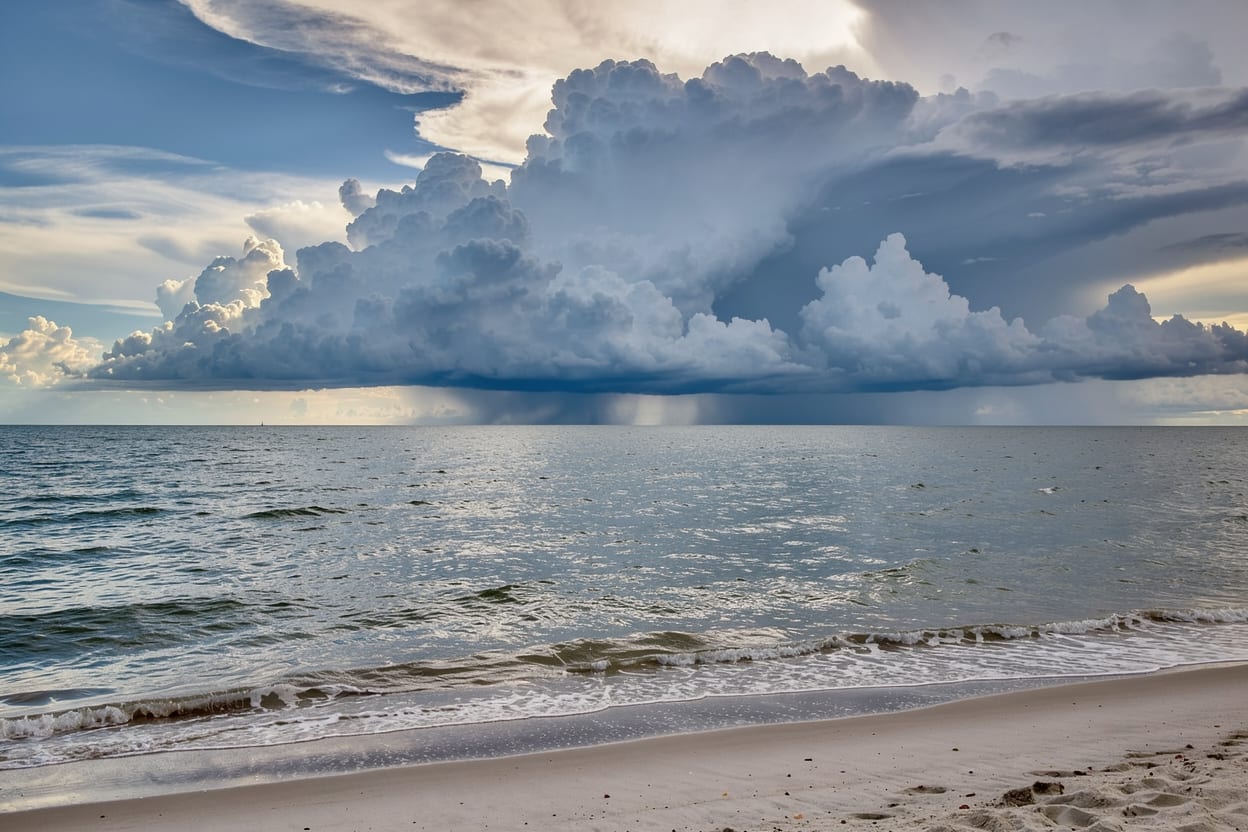
The agency's Tampa Bay Area office describes the rainy season in West Central and Southwest Florida as warm and humid, with frequent showers and thunderstorms. The start can develop gradually and varies by year. For much of the region, heavy rain and frequent lightning remain concerns through the peak of the rainy season. The report describes a seasonal pattern, and the agency treats the forecast and weather observations as separate information for decisions about an outdoor activity on a particular day.
What the heat illness references describe
Heat cramps
The National Weather Service lists painful spasms, commonly in the legs or abdomen, and heavy sweating among the signs of heat cramps. The agency describes cramps as a possible early sign of heat illness. MedlinePlus also describes fatigue and thirst among early symptoms of heat illness. Cramps in the agency's description may occur while the person is still sweating heavily.
For heat cramps, the National Weather Service describes gentle massage or firm pressure on the affected muscles and sips of water if the person does not feel nauseated. It advises immediate medical attention for cramps lasting longer than 1 hour in the same guidance.
Heat exhaustion
The National Weather Service's description of heat exhaustion includes weakness, dizziness, heavy sweating, cool or clammy skin and a fast, weak pulse. Its list also includes nausea, vomiting, headache and fainting. The agency lists some overlapping signs for exhaustion and stroke, including dizziness and nausea, and specifies confusion or slurred speech in its heat stroke description. MedlinePlus lists severe thirst and dark urine as additional signs. The skin may be cool and moist even though the person has been exposed to heat.
For heat exhaustion, the National Weather Service advises getting the person to a cooler environment, loosening clothing and cooling the skin with wet cloths or a cool bath. The agency includes sips of water in that guidance. The agency advises immediate medical attention if the person vomits, gets worse or still has symptoms after 1 hour.
Heat stroke
MedlinePlus describes heat stroke as the loss of the body's ability to regulate its temperature. It lists changes in alertness such as confusion and symptoms such as slurred speech or seizures. The National Weather Service's list includes very hot skin, which can be dry or damp, and loss of consciousness.
The National Weather Service identifies heat stroke as a medical emergency and gives 911 as the emergency number. Its guidance includes moving the person to a cooler place and cooling the person with cool cloths or a bath while seeking immediate emergency help. The agency specifies withholding fluids in heat stroke, a different response from its guidance for heat exhaustion.
Heat during outdoor activity
The National Weather Service's heat-wave advice favors the coolest part of the day for strenuous outdoor activity and includes light, loose clothing and less exposure to direct sunlight. The Florida Department of Health in Hendry County likewise advises time in cooler surroundings and shade outdoors. The weather service's hydration guidance includes water even when a person does not feel thirsty. It directs people with fluid restrictions or problems with fluid retention to consult a physician before increasing their fluid intake. MedlinePlus discusses the availability of shade and rest breaks and describes hydration around physical activity. MedlinePlus also lists exercising and unfamiliar heat or humidity as circumstances in which a person can feel the effects sooner. Its account includes heat illness in people who are physically fit. The children's activity page describes separate guidance for younger people.
Lightning near courts, pools and paths
The National Weather Service's outdoor sports guidance explains that a strike can reach beyond the rain. It lists visible lightning, audible thunder and a threatening sky as reasons to stop an outdoor activity and go to shelter immediately. The agency identifies a substantial building with wiring and plumbing as suitable shelter and, when such a building is unavailable, gives a hard-topped metal vehicle with closed windows as an alternative. A small rain shelter, dugout or shed does not provide the protection described by the agency.
The agency also describes precautions inside a building, including staying away from windows and plumbing. The location of shelter is part of what its guidance asks outdoor organizers to think through ahead of time when they plan for thunderstorms.
The National Weather Service advises waiting at least 30 minutes after the last thunder before outdoor activity resumes. Its explanation is that an electrical charge can remain in the clouds after the storm appears to have passed. The agency frames weather monitoring as a separate responsibility during organized activities, because the people occupied with play may have other things to watch. The water exercise article places the guidance in the context of outdoor pools and beaches. The recovery article covers studies of how heat affects match play.